
Tummy tuck surgery
Tummy tuck surgery, also known as abdominoplasty, is a popular procedure that helps individuals achieve a flatter and more toned abdominal profile. This surgery is often sought by those who have experienced significant weight loss, pregnancy, or aging, all of which can lead to loose skin and weakened abdominal muscles. During the procedure, excess skin is removed, and underlying muscles are tightened, resulting in a firmer and smoother midsection. Many patients report increased confidence and improved body image after undergoing tummy tuck surgery, making it a life-changing option for those looking to enhance their physique. If you’re considering this procedure, it’s essential to consult with a qualified plastic surgeon to discuss your goals, understand the risks, and determine if you’re an ideal candidate.
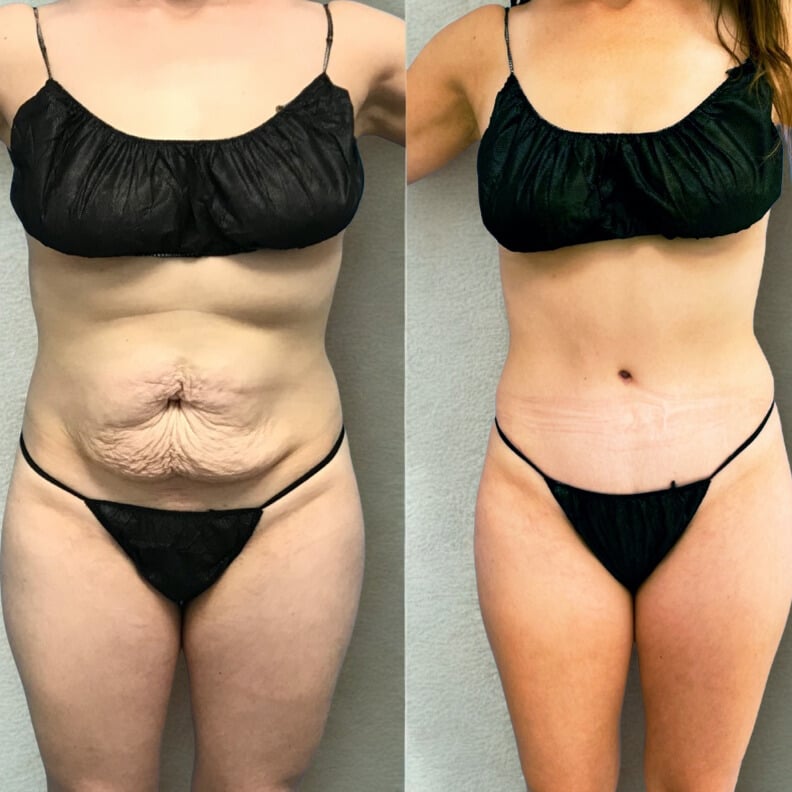
Tummy Tuck
We will discuss Tummy tuck indications , Precautions, Post op instructions and complications.
Indications for Tummy Tuck
A tummy tuck (abdominoplasty) may be recommended for individuals who:
- Have loose or sagging abdominal skin due to pregnancy, weight loss, or aging
- Experience weakened or separated abdominal muscles (diastasis recti)
- Struggle with stubborn fat deposits that do not respond to diet or exercise
- Are in good overall health and at a stable body weight
- Have realistic expectations about surgical outcomes
A tummy tuck is not a weight-loss procedure, but it can significantly improve abdominal contour and firmness.
Pre-Operative Cautions
Before undergoing surgery, patients should be aware of the following precautions:
- Smoking and nicotine use must be stopped several weeks before surgery, as they impair healing
- Certain medications, supplements, and blood thinners may need to be discontinued
- Medical conditions such as diabetes, heart disease, or bleeding disorders must be disclosed
- Pregnancy should be completed before considering a tummy tuck
- Pre-operative blood tests or medical clearance may be required
Careful adherence to pre-operative instructions helps reduce risks and ensures safer outcomes.
Surgery Steps (Procedure Overview)
A tummy tuck procedure typically involves the following steps:
- Anesthesia – The procedure is performed under general anesthesia
- Incision – A horizontal incision is made along the lower abdomen, usually concealed within the bikini line
- Muscle Repair – Weakened or separated abdominal muscles are tightened and sutured
- Skin & Fat Removal – Excess skin and fat are removed, and remaining tissue is repositioned
- Navel Repositioning – The belly button is reshaped or repositioned, if necessary
- Closure – Incisions are carefully closed and dressings are applied
The surgery generally takes 2–4 hours, depending on complexity.
Post-Operative Instructions
After surgery, patients are advised to:
- Wear a compression garment as instructed
- Keep the surgical area clean and dry
- Take prescribed medications for pain and infection prevention
- Walk gently as soon as possible to promote circulation
- Avoid strenuous activities, heavy lifting, and bending
- Attend all scheduled follow-up appointments
Following post-operative instructions closely is essential for optimal healing.
Recovery Timeline
Recovery varies by individual, but general expectations include:
- First 1–2 weeks: Swelling, bruising, and discomfort are common
- 2–4 weeks: Gradual return to light daily activities
- 4–6 weeks: Most patients resume work and light exercise
- 3–6 months: Swelling continues to subside, final results become more visible
Full recovery and final contour may take several months.
Possible Complications
While tummy tuck surgery is generally safe when performed by a qualified surgeon, potential risks include:
- Infection or delayed wound healing
- Bleeding or fluid accumulation (seroma)
- Scarring or changes in skin sensation
- Blood clots
- Asymmetry or unsatisfactory cosmetic results
All risks will be discussed during your consultation to help you make an informed decision.