Facelift Surgery
Facelift surgery, also known as rhytidectomy, is a popular cosmetic procedure aimed at rejuvenating the face by removing excess skin, tightening underlying tissues, and smoothing out wrinkles. As we age, factors like sun exposure, gravity, and lifestyle choices can cause our skin to lose its elasticity and youthful appearance. A facelift can help restore a more youthful contour to the face and neck, enhancing your overall look and boosting your confidence. Whether you’re considering this procedure for yourself or simply exploring options, understanding the process and potential benefits can help you make an informed decision. Engaging with a qualified cosmetic surgeon will ensure that you receive personalized advice tailored to your unique facial structure and aesthetic goals.section. Many patients report increased confidence and improved body image after undergoing tummy tuck surgery, making it a life-changing option for those looking to enhance their physique. If you’re considering this procedure, it’s essential to consult with a qualified plastic surgeon to discuss your goals, understand the risks, and determine if you’re an ideal candidate.
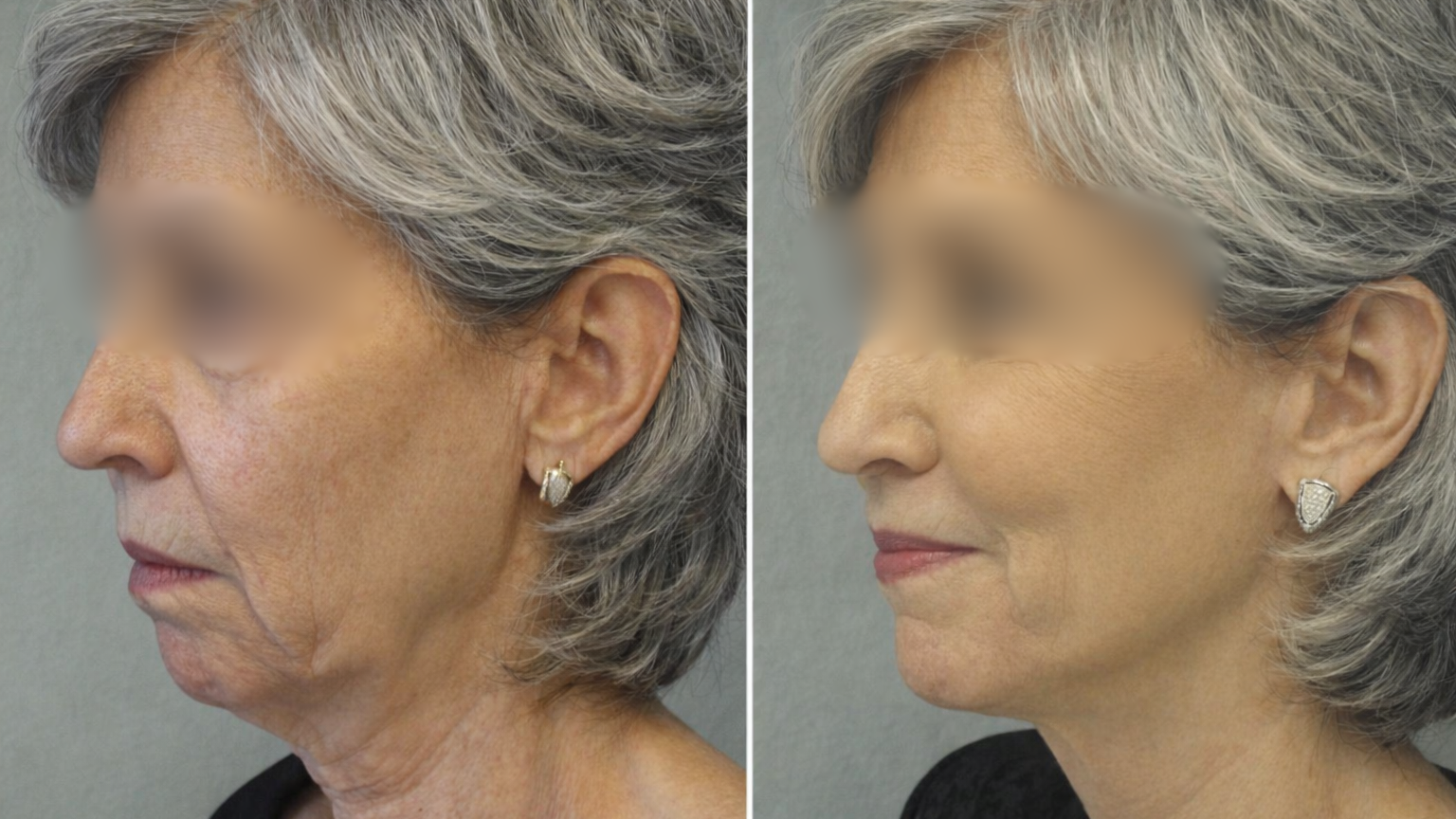
Facelift
We will discuss Facelift indications , Precautions, Post op instructions and complications.
Indications (Who Is a Good Candidate)
A facelift (rhytidectomy) may be suitable for individuals who wish to address visible signs of facial aging, including:
- Sagging skin of the mid-face, jawline, or neck
- Deep creases between the nose and mouth
- Loss of definition along the jawline
- Facial skin laxity due to aging, genetics, or weight loss
- A tired or aged facial appearance despite good health
Ideal candidates are in good general health, do not smoke, and have realistic expectations regarding results.
Pre-Operative Cautions
Before undergoing facelift surgery, patients should consider the following precautions:
- Smoking and nicotine use must be stopped several weeks before surgery to promote proper healing
- Certain medications, supplements, and blood thinners may need to be discontinued
- Existing medical conditions should be fully disclosed during consultation
- Facial infections, skin conditions, or recent cosmetic treatments may require postponement
- Pre-operative tests or medical clearance may be necessary
Following all pre-operative guidelines helps minimize risks and improve surgical outcomes.
Surgery Steps (Procedure Overview)
A facelift procedure typically involves the following steps:
- Anesthesia – Performed under general anesthesia or intravenous sedation
- Incisions – Strategically placed around the hairline and ears to minimize visible scarring
- Tissue Repositioning – Underlying facial tissues and muscles are lifted and tightened
- Excess Skin Removal – Loose skin is carefully removed for a smoother contour
- Closure – Incisions are closed with sutures or skin adhesives
The procedure usually takes 3–5 hours, depending on the extent of correction.
Post-Operative Instructions
After facelift surgery, patients are advised to:
- Keep the head elevated to reduce swelling
- Apply cold compresses as directed
- Take prescribed medications to manage discomfort and prevent infection
- Avoid strenuous activity, bending, or heavy lifting
- Keep incisions clean and dry
- Attend all follow-up appointments
Adhering to post-operative instructions is essential for safe healing and optimal results.
Recovery Timeline
Recovery times vary, but most patients can expect:
- First 1–2 weeks: Swelling, bruising, and tightness are common
- 2–4 weeks: Visible swelling decreases; normal activities gradually resume
- 4–6 weeks: Most patients feel comfortable returning to social activities
- 3–6 months: Final results continue to refine as tissues settle
Scars gradually fade over time and are typically well concealed.
Possible Complications
While facelift surgery is generally safe when performed by a qualified surgeon, potential risks may include:
- Infection or delayed wound healing
- Bleeding or hematoma formation
- Scarring or changes in skin sensation
- Facial nerve injury (temporary or rare permanent)
- Asymmetry or unsatisfactory aesthetic outcome
All potential risks and benefits will be discussed during your consultation to help you make an informed decision.